Handbook
of Texas Online - CULBERSON, CHARLES A.
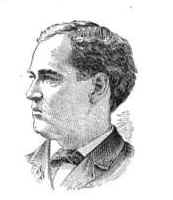 CULBERSON,
Charles Allen, nineteenth governor of Texas (1895-99), was born at Dadeville,
Tallapoosa co., Ala., Oct. 10. 1855 son of David B. and (Kimbal) Culberson. His
parents removed from Alabama to Gilmer. Tex., in 1858, and from there to their
present home in Jefferson three years later. For many years the father has been
a prominent figure in the public life of Texas, having been an adjutant general
in the Confederate army, a member of the state legislature ( 1859-64) and of the
senate (1874), and a member of congress for the fourth Texas district from the
forty-fourth to the forty-ninth session. While in congress, he was for years
chairman of the judiciary committee, and was tendered an appointment on the
interstate commerce commission by Pres. Harrison. The son attended the common
school of Jefferson and Prof. Morgan H. Looney's high school at Gilmer, and
entered the Virginia Military Institute, Lexington, Va., in 1870. Being
graduated in 1874, he spent the next two years studying law in his father's
office, and then entered the law department of the University of Virginia.
During his course, he was distinguished for scholarship and close application to
study, being chosen judge of the moot court and final orator of the Jefferson
Literary Society, both exceptional honors. In 1878 he was admitted to the bar of
Texas, and at once took a high place as an attorney and practitioner. In 1882 he
obtained particular reputation in the defense of John Le Grand, convicted of
murder by the federal district court at Jefferson under the Ku-Klux law. Mr.
Culberson appealed to the circuit court, and by his scholarship and able
pleading secured from Justice Woods a reversal of the former verdict, with a
declaration of the unconstitutionality of the Ku-Klux law. This decision being
sustained by the U. S. courts elsewhere, served to increase the reputation of
the young attorney and place him in the front rank of his profession. His
ability soon forced him into the political arena, and in 1880, when but
twenty-five years of age, he was elected county attorney of Marion county. He
resigned after a short incumbency of this office, and in 1882 was offered a
nomination for the legislature, which he declined. His practice continued to
increase rapidly, and in 1888, in search of a wider field, he removed to Dallas,
where he formed the well-known firm of Bookhout & Culberson. At the
Democratic state convention at San Antonio, in 1890, he was nominated for
attorney-general by acclamation, and being elected by a large majority, served
until his nomination as governor, in 1894, by the state convention at Dallas.
Being triumphantly elected, he was nominated for a second term at Fort Worth in
1896, and was again elected by a majority of 00,000, in the face of a powerful
fusion ticket growing out of the financial issue of that year. Gov. Culberson
was a delegate to the national Democratic convention at Chicago, in June, 1896,
and during the campaign gained a national reputation by his correspondence with
Prince Bismarck on the subject of bimetallism. Gov. Culberson's administrations
have been characterized, not alone by force and prompt attention to all public
issues, but by an integrity and moral purpose seldom equaled. In his first
inaugural message, he urged the legislature to redeem all the pledges of the
Democratic platform, and called especial attention to the condition of the
public schools, recommending an increase of the school tax to 20 cents on every
$100. Among other evidences of his vigorous action in matters of moral concern
was his prohibition of the Corbett -Fitzsimmons fight in Texas during 1895. He
was re-elected, in 1896, for a term of two years (1897-99). Gov. Culberson was
married to a daughter of Col. W. W. Harrison, of Fort Worth, Tex.
CULBERSON,
Charles Allen, nineteenth governor of Texas (1895-99), was born at Dadeville,
Tallapoosa co., Ala., Oct. 10. 1855 son of David B. and (Kimbal) Culberson. His
parents removed from Alabama to Gilmer. Tex., in 1858, and from there to their
present home in Jefferson three years later. For many years the father has been
a prominent figure in the public life of Texas, having been an adjutant general
in the Confederate army, a member of the state legislature ( 1859-64) and of the
senate (1874), and a member of congress for the fourth Texas district from the
forty-fourth to the forty-ninth session. While in congress, he was for years
chairman of the judiciary committee, and was tendered an appointment on the
interstate commerce commission by Pres. Harrison. The son attended the common
school of Jefferson and Prof. Morgan H. Looney's high school at Gilmer, and
entered the Virginia Military Institute, Lexington, Va., in 1870. Being
graduated in 1874, he spent the next two years studying law in his father's
office, and then entered the law department of the University of Virginia.
During his course, he was distinguished for scholarship and close application to
study, being chosen judge of the moot court and final orator of the Jefferson
Literary Society, both exceptional honors. In 1878 he was admitted to the bar of
Texas, and at once took a high place as an attorney and practitioner. In 1882 he
obtained particular reputation in the defense of John Le Grand, convicted of
murder by the federal district court at Jefferson under the Ku-Klux law. Mr.
Culberson appealed to the circuit court, and by his scholarship and able
pleading secured from Justice Woods a reversal of the former verdict, with a
declaration of the unconstitutionality of the Ku-Klux law. This decision being
sustained by the U. S. courts elsewhere, served to increase the reputation of
the young attorney and place him in the front rank of his profession. His
ability soon forced him into the political arena, and in 1880, when but
twenty-five years of age, he was elected county attorney of Marion county. He
resigned after a short incumbency of this office, and in 1882 was offered a
nomination for the legislature, which he declined. His practice continued to
increase rapidly, and in 1888, in search of a wider field, he removed to Dallas,
where he formed the well-known firm of Bookhout & Culberson. At the
Democratic state convention at San Antonio, in 1890, he was nominated for
attorney-general by acclamation, and being elected by a large majority, served
until his nomination as governor, in 1894, by the state convention at Dallas.
Being triumphantly elected, he was nominated for a second term at Fort Worth in
1896, and was again elected by a majority of 00,000, in the face of a powerful
fusion ticket growing out of the financial issue of that year. Gov. Culberson
was a delegate to the national Democratic convention at Chicago, in June, 1896,
and during the campaign gained a national reputation by his correspondence with
Prince Bismarck on the subject of bimetallism. Gov. Culberson's administrations
have been characterized, not alone by force and prompt attention to all public
issues, but by an integrity and moral purpose seldom equaled. In his first
inaugural message, he urged the legislature to redeem all the pledges of the
Democratic platform, and called especial attention to the condition of the
public schools, recommending an increase of the school tax to 20 cents on every
$100. Among other evidences of his vigorous action in matters of moral concern
was his prohibition of the Corbett -Fitzsimmons fight in Texas during 1895. He
was re-elected, in 1896, for a term of two years (1897-99). Gov. Culberson was
married to a daughter of Col. W. W. Harrison, of Fort Worth, Tex.
Home